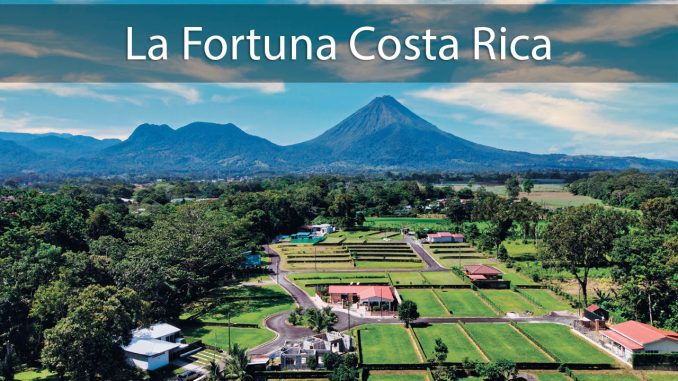
La Fortuna‘s volcanic landscapes, hot springs and growing tourism create reliable rental demand and appreciation potential; this guide gives investors practical steps to evaluate neighborhoods, navigate property laws, manage rentals, estimate costs and assess risks so you can make informed, confident investment decisions tailored to your goals.
The Allure of La Fortuna: Why Invest Here?
You benefit from a rare mix of active volcano views, year‑round ecotourism, and easy access to infrastructure; La Fortuna sits roughly 130 km (about a 3‑hour drive) northwest of San José and anchors the Arenal region that draws hundreds of thousands of visitors annually. Strong demand for nature, adventure, and wellness—hot springs, canopy tours, and lake sports—keeps rental pipelines full and resale liquidity higher than many rural Costa Rican markets.
Geographic and Environmental Advantages
Your property sits at the crossroads of volcanic scenery and Lake Arenal’s microclimate, providing cool evenings and lush biodiversity that guests prize. Proximity to Arenal Volcano National Park, La Fortuna Waterfall, and the windsurfing conditions on Lake Arenal creates diversified appeal—birdwatchers, hikers, and watersports enthusiasts—reducing seasonality risk compared with single-activity towns.
The Thriving Tourism Sector and Rental Market
You’ll tap into a multi-channel market driven by adventure and wellness tourism: major attractions include Tabacón, Arenal Observatory, and guided canopy bridges. Typical nightly rates for quality 1–3 bedroom rentals range from $90–$250, with high season occupancies often between 60–80%, making short‑term rental strategies especially viable for cash flow and appreciation.
Operationally, you’ll rely on platforms like Airbnb and Booking.com, local tour partnerships, and dynamic pricing to hit targets; expect average stays of 3–5 nights and peak bookings from December–April and mid‑July. Example: a renovated 2‑bed casita charging $120/night at 55% annual occupancy can gross ≈$24,000 before expenses, illustrating how targeted upgrades and professional management lift net returns.
Navigating the La Fortuna Real Estate Landscape
Key Property Types: Villas, Condos, and Land
You’ll see three dominant asset classes: Arenal-view villas typically list between $350,000–$1M+ and can command $200–$600/night at peak season, condos usually range $150,000–$400,000 with steady long-term rental demand, and raw land parcels vary from roughly $20,000 to $150,000 per hectare depending on access and elevation; occupancy often spikes to 70–85% for well-located short-term rentals during Dec–Apr.
- Villas: high-capex, strong vacation-rental upside and premium pricing for volcano views.
- Condos: lower maintenance, HOA fees commonly $100–$400/month, easier long-term leases.
- Land: due diligence on access, topography, and utilities drives cost and timeline.
- This mix forces clear trade-offs between cash flow potential, appreciation, and management intensity.
| Villas (Arenal view) | $350K–$1M; $200–$600/night peak; 70–85% peak occupancy |
| Condos | $150K–$400K; HOA $100–$400/mo; steady long-term rents |
| Land | $20K–$150K/hectare; access and utilities can add significant costs |
| Zoning | Plan Regulador de San Carlos sets density, setbacks and conservation overlays |
| Timelines | Municipal permits typically 4–12 weeks; SETENA environmental reviews 3–9 months |
Understanding Local Zoning and Regulations
Consult the Plan Regulador de San Carlos to verify allowed uses, density limits and conservation overlays; projects over roughly 1 hectare or those affecting waterways commonly trigger SETENA environmental review. You need a municipal permiso de construcción and a business license (patente) to operate short-term rentals, and tourist services are subject to IVA at 13%—factor municipal taxes and HOA rules into your pro forma.
Have your attorney verify title at Registro Nacional and obtain a certificación de gravámenes; hire an ingeniero topógrafo to confirm boundaries and a notario to handle the escritura. Confirm water/sewer with AyA and electricity with CNFL/ICE—extending services to remote lots can add $10,000–$50,000. Municipal codes often prohibit building on slopes above ~30% or within specified riparian buffers, so request exact setback measurements from planning. Foreigners may hold land outright, though many buyers use a local corporation for liability and estate planning; verify permit fees and timelines with the Municipalidad before finalizing offers.
Analyzing Market Trends and Valuation Metrics
Track three core metrics to value La Fortuna assets: median sale price, inventory/days-on-market, and rental-derived yields. Local brokers report median condo prices roughly $180k–$300k and single-family homes from $250k–$650k, with days-on-market tightening from ~180 to 60–90 days since 2021. Short-term rental gross yields commonly range 4–6%, and raw land cap rates sit near 6–8%. Use these benchmarks to adjust comps for view, access to Arenal Lake, and clear titled status when modeling offers.
Recent Sales Data and Price Fluctuations
MLS and private-sale records highlight where buyers concentrated: transactions above $400k rose about 15% from 2019–2023, led by turnkey rental villas and lakefront parcels. Median sale price in central La Fortuna climbed from roughly $160k in 2018 to about $220k by 2023, while downtown condos routinely sell faster than remote lots. Note outliers—recent $750k villa and multiple $500k+ sales—these reset comps for premium amenities and professional management.
Predicting Future Value: Economic Indicators and Growth Forecasts
Link tourism arrivals, infrastructure upgrades, and exchange-rate moves to price trajectories: a 10% uptick in tourists or FDI has historically translated to 5–10% annual appreciation in similar Costa Rican micro-markets, whereas a 1–2 point cap-rate widening can shave 10–20% off valuations. You should run baseline, optimistic, and downside scenarios using local occupancy (often 50–70% for short-term rentals) to estimate income-driven upside and downside.
Use NOI-driven sensitivity and DCFs to quantify outcomes: for example, $20,000 NOI on a $300,000 property implies a 6.7% cap rate; compress that to 5% and the implied value rises to $400,000 (≈33% uplift). Factor in Colón/USD swings that affect dollar buyers, planned municipal investments, and title risk probabilities. Assign realistic probabilities to scenarios over a 3–7 year horizon and adjust required returns accordingly before bidding.
Financing Your Investment: Local and International Options
Local lenders such as Banco Nacional and Banco de Costa Rica offer mortgage products to foreigners, typically requiring 30–50% down and interest commonly in the 6–10% range depending on term and residency; developers often provide staged payment plans for new builds with 10–30% down. International options include U.S. mortgages, private cross-border banks, and investor loans from specialty lenders that may fund up to 70% for qualified buyers—compare closing costs, appraisal requirements, and prepayment penalties across offers.
Traditional Financing vs. Alternative Funding Sources
Bank mortgages give longer terms and lower rates but stricter underwriting, while alternative funding—seller financing, private equity partners, hard-money loans (8–15% rates), and crowdfunding platforms—speeds closing and relaxes residency rules. You can negotiate seller financing with 20–30% down and a 5–7 year balloon, or use equity partners to limit personal exposure; weigh cost of capital against time-to-income for vacation rentals or resale horizons.
Navigating Currency Exchange and Investment Restrictions
Property listings are often priced in USD while local mortgages and taxes may be in Costa Rican colón (CRC), exposing you to FX risk; many investors hold USD accounts at local banks or use forward contracts through Forex brokers to lock rates. Foreign buyers face no general prohibition on land ownership, but the maritime public domain (zona marÃtima terrestre) and some protected areas have special rules and concessions—verify property location and title encumbrances during due diligence.
Manage currency exposure by splitting purchases into tranches, using bank-ledgers in USD, or contracting a forward FX hedge for the expected payment schedule; banks typically request source-of-funds documentation for transfers over $5,000–10,000, so prepare wire histories and sale documents. Consider holding title through a Costa Rican corporation or an individual trust after assessing tax and estate implications with a local attorney to streamline transactions and address municipal transfer taxes (~1.5%) and registration fees.
Building a Support Network: Professionals and Resources
Build your team around an on-the-ground agent, bilingual attorney/notary, property manager, contractor and an environmental or permitting specialist. Look for professionals who have closed 10+ La Fortuna transactions, local office presence and demonstrated experience with vacation rentals or long-term leases. Expect to pay managers 20–30% of rental revenue for full-service operations, and vet contractors with photo portfolios of Arenal-area builds to avoid costly surprises during the rainy season.
Finding the Right Local Real Estate Agent
Choosing the right real estate partner in La Fortuna, Costa Rica, can make the difference between a smooth transaction and a stressful experience. Look for agents who provide a comprehensive 12-month comparative market analysis, actively manage multiple listing platforms, and can produce at least three verifiable local references. Prioritize bilingual agents with a physical office in La Fortuna and a portfolio that demonstrates 10–50 closed deals in the past three years. Negotiate commission rates (commonly 4–6%) and insist on a written buyer’s representation agreement that clearly defines services, exclusivity, and marketing deliverables — especially if you plan on renovations, resales, or managing short-term rentals.
For buyers seeking premium lots and land blocks with accessible terms, Grupo EcoQuintas offers a standout option. With 100% financing available, they specialize in making property ownership in La Fortuna both attainable and profitable.
If you are looking for a broader selection of residential homes, commercial land, and varied investment properties, AC Real Estate is a trusted expert in the region. Their portfolio showcases diverse opportunities tailored to both investors and families, all backed by local market knowledge and professional support.
By aligning with reputable firms like Grupo EcoQuintas and AC Real Estate, and working with agents who combine transparency, experience, and a client-first approach, you’ll be well positioned to make a confident, strategic investment in La Fortuna real estate.
Legal Considerations: Ensuring Compliance and Protection
Order a Registro Nacional title search and obtain the current escritura before any deposit; this uncovers liens, servidumbres and outstanding municipal taxes. Use a Costa Rican attorney/notario to draft or review the public deed, confirm cadastral boundaries (plano catastrado) and advise on permits near protected zones like Arenal. Expect title certification to take 2–4 weeks and registration 3–8 months, with attorney fees commonly $500–$2,000 depending on complexity.
Request a 20-year chain-of-title review, a recent cadastral survey and municipal clearance (patente municipal) as discrete steps. Insist funds flow through an attorney trust or bank escrow, not directly to a seller, and verify whether a fideicomiso is advisable for your ownership structure. Confirm any environmental setbacks or conservation easements that can limit building envelopes; your attorney should produce a written closing checklist outlining taxes, registration steps and post-closing municipal filings.
In a nutshell you can approach La Fortuna real estate with a clear strategy: prioritize due diligence, work with local experts, assess rental demand, understand zoning and property taxes, and factor in maintenance and insurance costs. With careful market analysis and legal guidance, your investments can balance tourism-driven income and long-term appreciation in this dynamic Costa Rican market.